

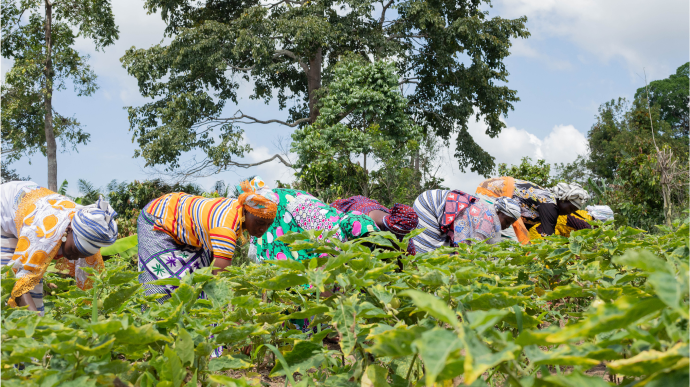
It is an innovative family-centred approach that is aiming to close the gap to a living income and reducing child labour risks. By rewarding through cash incentives both heads of the households, we are looking at the family and placing greater value on women as agents for positive change.

We delivered the first progress report on the Nestlé income accelerator in 2023. As we scaled up the program to reach more families, we continued to share updates on our impact and challenges. The measurement and evaluation of the program is completed independently by KIT Institute.




- 2020
- 2022
- 2024
- 2026
- 2030
-
Pilot program1000 Cocoa-farming families in Côte d’Ivoire take part in the Income Accelerator Program.
-
Test at scaleThe pilot is expanded to include over 10 000 cocoa-farming families in Côte d’Ivoire for the test at scale phase.
-
Scale-upBased on learnings from the pilot and the test at scale, we are building on the program within Côte d’Ivoire, while expanding into Ghana.
-
 45 000 families are participating
We continued our expansion engaging about 45 000 cocoa-farming families. Discover the latest program results here.
-
 Ambition
Since launching the Nestlé income accelerator in 2022, we have been extending our reach, with an initial ambition of supporting approximately 160,000 cocoa-farming families by 2030. We will continue to expand our engagement while adapting our approach, including revisiting this initial ambition, as the TogetherCocoa Foundation scales. Going forward, we expect to broaden our reach both through our direct supply chain and the development of the Foundation.
Our Stories

KitKat is part of a pioneering program

The Journey Behind Your Chocolate: Introducing the Nestlé Cocoa Plan

Pruning And Sustainable Cocoa Production
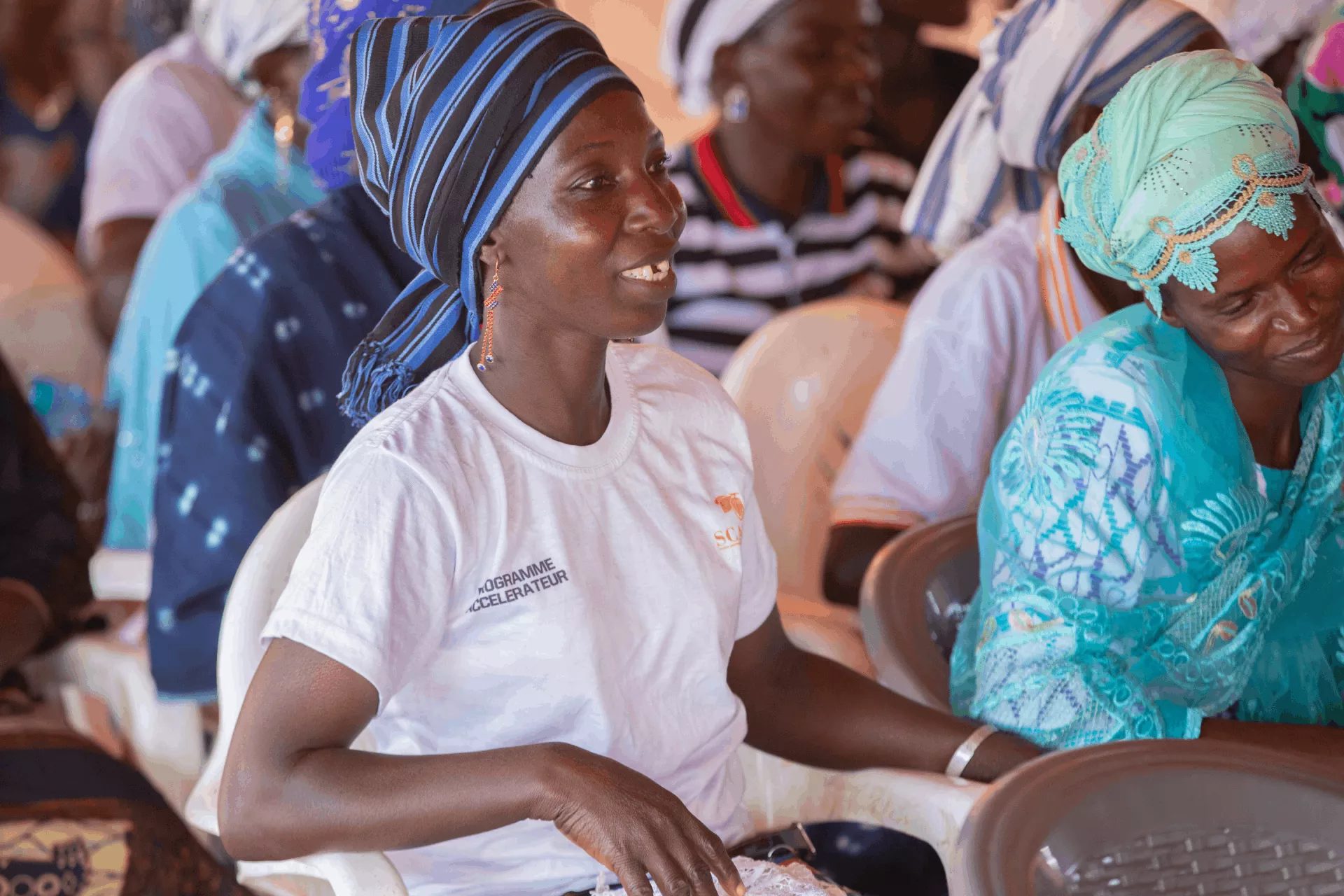
Empowering Women To Drive Income Diversification
Our Stories
KitKat is part of a pioneering program
The Journey Behind Your Chocolate: Introducing the Nestlé Cocoa Plan